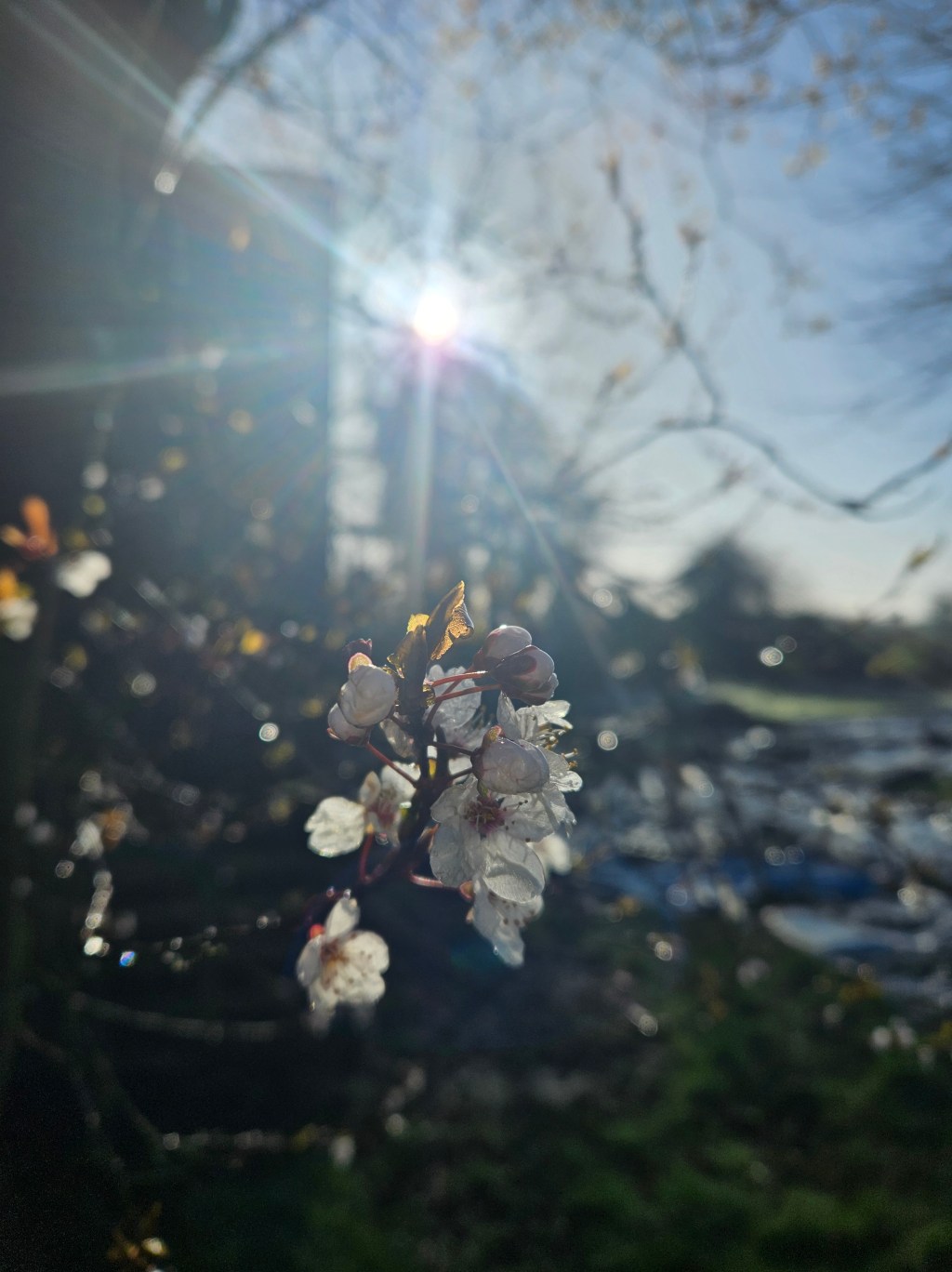
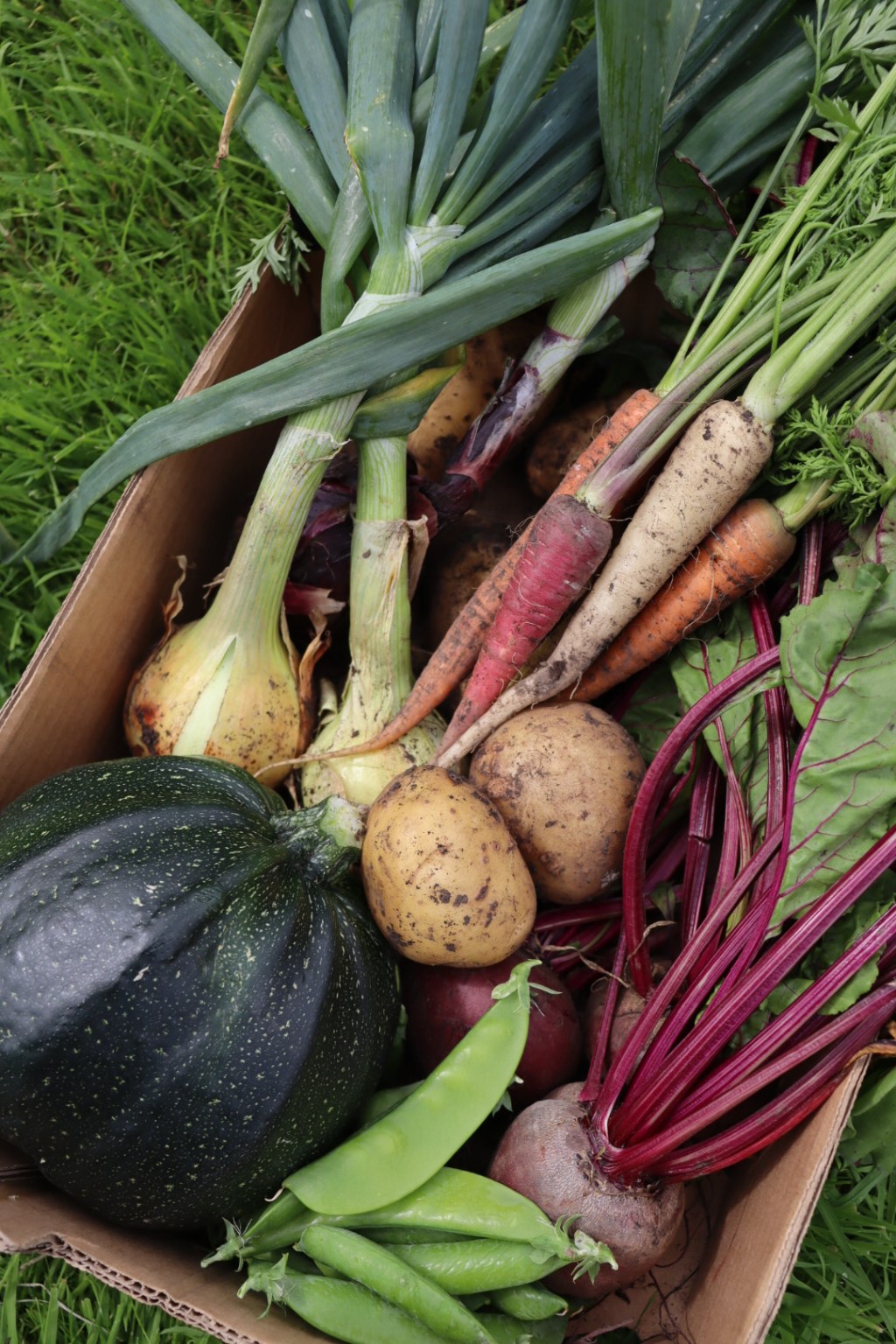
I enjoy growing herbs and flowers in my garden and using them to make soap. Despite having a small garden, I manage to gather enough for soap making.
When using botanicals in handmade soap, there are several tips to keep in mind:
1. Always use dried herbs to prevent introducing moisture into the soap, which can lead to spoilage or mold.
2. Common herbs used in soap making include mint, rosemary, thyme, sage, and parsley, as they offer natural fragrance and skin benefits.
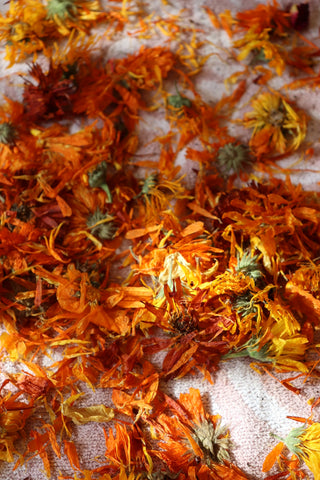
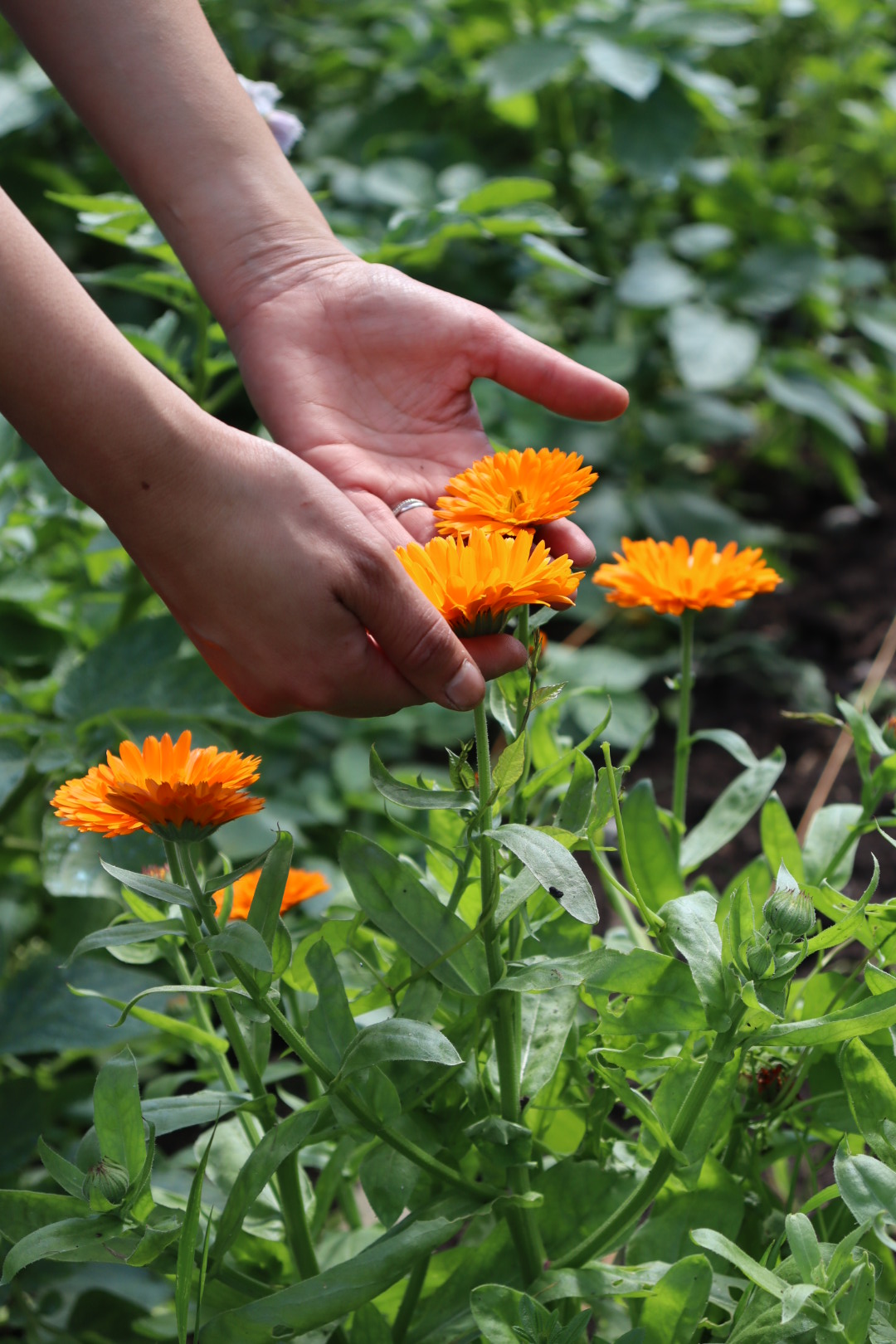
Calendula can be used in the soap or as a decorative topping, while chamomile petals can also be used on the soap’s surface or stirred into the soap batter.
Poppy seeds or chia seeds can provide gentle exfoliation and can be added on top of the soap or stirred into it as well.
Always research a plant before using it in soap, as some plants are not safe for skincare.
3. Dried rose petals and lavender work beautifully in decorating soap, but both can be a bit tricky as they may turn brown where they touch wet soap. This is purely aesthetic.
If you encounter this issue, try not to insulate the soap after decorating the tops of loaves. Insulating the soap can trap alkaline moisture, causing the botanicals to discolor.
| Plant Name | Skin Benefits |
| Lavender | Buds stimulate cell repair, antimicrobial and calms the skin |
| Peppermint | Cooling, cleansing, antimicrobial, anti- acne |
| Rose | Soothing, hydrating, astringent and anti-acne |
| Calendula | Stimulate cell repair , its healing and hydrating |
| Camomile | Soothing and used for sore skin and eczema |
As for growing herbs and flowers for skincare, here are a few tips:
Understand why we use skincare and what plants can do for us.
If you want t grow herbs, start small, in containers weave them into your exiting garden or plant them together in a bed. Just stick with a few plants that suit your growing area.
Some plants aren’t as fussy about the type of soil as long as they have drainage and moisture and of course light.
Calendula is one plant that you easily grow in your garden and once is happily established it comes back every year. You can even save the seeds and spread them in other parts of your garden.
Here a few instructions for harvesting and drying herbs and flowers:
Harvesting: Always harvest herbal leaves in peak condition, preferably in the mid to late morning. Pick the leaves when they are new and green, and flowers after they have just fully opened.
Drying: Again, it’s important to dry your herbs and flowers properly to prevent them from getting moldy due to moisture.
There are different ways to dry your herbs and flower petals:
1. Dehydrator: Using a dehydrator is a good way to dry out your botanicals, although I personally do not have one.
2. Hanging: Another method is to tie the bunches and suspend them in a warm, dry room. This is the method I normally use, and it’s very effective for drying lavender, sage, and peppermint.
3. Over a towel:or you can also place them on a towel and leave them there for a couple of weeks. Once dried, your botanicals have a shelf life of a year or more.

If you find this info useful leave me a comment below 🙂
 Home
Home 
Leave a comment