

This month, I had so much parsley at home that I decided to try making soap with it. This is a very simple recipe using just two oils, making it ideal for beginners who are just starting out in soapmaking. Before trying this recipe, please make sure you have all the necessary ingredients and that you are using proper safety equipment.
Garden Parsley soap recipe
500 Grams Soap Recipe, A fresh, garden-inspired herb soap made with homegrown parsley and skin-loving oils. This nourishing bar blends the green of chlorella, wheatgrass powder, earthy bits of parsley and uplifting essential oils, creating a vibrant soap that feels as good as it looks. Perfect for everyday use, topped with calendula petals and chive blossoms.
simple-
Prep time: 40 minutes -
Total time: 40 minutes
Ingredients
| Lye Water | |
|---|---|
| 68 g | Lye (Sodium Hydroxide) |
| 136 g | Distilled water |
| Oils | |
| 100 g | Coconut oil |
| 400 g | Olive Oil |
| Add after trace | |
| 1tsp Wheatgrass powder, | |
| 1tsp Chlorella Powder | |
| 8 g | Rosemary Essential Oil ( Optional) |
| 7 g | Sweet Orange Essential Oil ( Optional) |
| 40 g | Fresh parsley finely chopped |
| 1 | tsp Botanicals to decorate as toppings ( Optional) |
Utensils
Steps of preparation
- Set up your workstation. With all equipment ready and ingredients pre-measured into containers. Wear long sleeves preferible
- Put on protective gear.
Wear rubber gloves and safety goggles. - Handle the lye carefully.
Be careful when handling lye (sodium hydroxide). Never touch it with bare hands or handle it without goggles. Put on your face mask.
Carefully and slowly pour the lye into the water (NEVER pour water into the lye). Scrape any lye stuck at the bottom of your plastic container and stir gently with a spoon.
Leave the solution aside, preferably near a window, and monitor the temperature with a digital thermometer. - Melt the oils.
Place the coconut oil and shea butter in a pan, then add the olive oil. Melt the solid oils over low heat. Stay with the pan and remove it from the heat source as soon as everything is melted. You can remove it when the temperature is about 160 °F . in this case I moved the oils to another container but you can always leave them in the pot.
- Mix at the correct temperature.
Check the temperature of both the lye solution and the oils. The ideal mixing temperature is between 100°F and 110°F (with the lye preferably on the lower side). But it can be any temperature, always under 130 °F.
When both are within range, pour the lye solution into the oils. Stir first with a spatula, then use a hand blender. Blend until you reach trace (the batter should not be too thick or too runny).
If it’s too thick, it will be difficult to pour; if it’s too runny, it will take longer to set and harden. - Add extra ingredients in order.
Add the white grass color first, sometimes the white grass is lumpy, (You can remove the lumps using a mortar and pestle), then add the chlorella powder stir it with spatula , add the parsley finely chopped and the essential oils last.


- Pour and insulate.
Pour the soap into the mold and insulate by covering it with a towel. This helps with colour development, easier unmolding, and proper hardening. You can either a milk carton or any other soap molds you might have.


- Let the soap set for 48 hours , unmold and cut it with a knife or any other cutter you have.
- Let it cure in a shelf or rack away from the sunlight from 4 to 6 weeks, this will make the soap harder and better quality. After this period you can use and enjoy your soap.
Notes
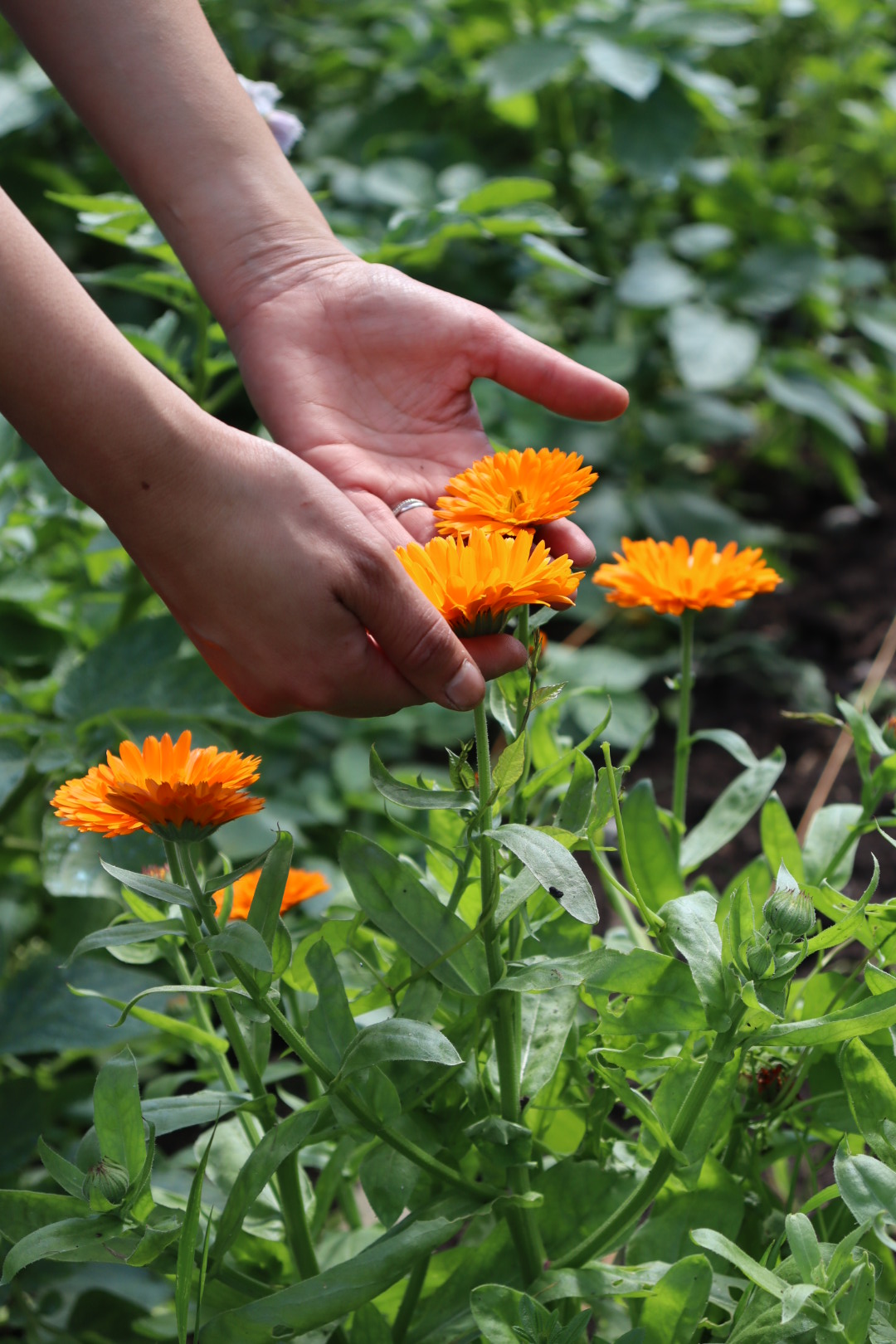
I sprinkled some chive blossoms on top of these soap bars. Once dried, they don’t seem to retain much of their onion-like aroma, and the essential oils used in the recipe further reduce any noticeable scent. They add a lovely natural decoration without affecting the fragrance of the finished soap.
Leave a Reply