
Coloring natural soap can be done using a variety of natural ingredients that not only impart color but also offer added skin benefits. Here are some popular natural colorants for soap making:
I often use plant dyes and clays as coloruing in my soaps, for example: The Wild Rose Soap and the Lavender are coloured with clays.

1. Clays
- French Green Clay: Gives a soft green color. Good for detoxifying and oily skin.
- Rose Clay: Provides a pink to rose color, suitable for sensitive skin.
- Bentonite Clay: Adds a light greyish hue and is excellent for oily skin.
- Purple Clay: It add a really nice purple color to your soap, the intensity will depend of quantity added to the batch. It is Anti-aging, ensuring healthy skin cells, which can make you look younger.
2. Plant Dyes

- Turmeric: Imparts a warm yellow to orange hue and has anti-inflammatory properties.
- Spirulina: A deep green from this algae, known for its antioxidant benefits.
- Alkanet Root Powder: Provides shades from lavender to purple.
- Madder Root: Gives a range of colors from pink to red, depending on concentration.
- Indigo Blue: Gives a light blue o dark depending of the quantity added to the batch.

3. Spices
- Paprika: Offers a rich orange to red color and in some cases it can even look pink.
- Cinnamon: Provides a warm brown hue and adds a subtle scent.
4. Fruit and Vegetable Powders

- Carrot Powder: Yields a yellow to orange color, rich in beta-carotene.
- Beetroot Powder: Gives a vibrant dark red, but can fade over time.
- Pumpkin Powder: Adds a soft orange hue and is rich in vitamins.
- Cocoa powder: Gives a brown chocolate color.
5. Activated Charcoal: produces a deep black to soft grey colour and is traditionally valued for its cleansing and purifying properties. I use activated charcoal in my Pure Ebony soap, creating a rich, deep colour while giving the bar a wonderfully cleansing feel.
6. Plant-Based Liquids & Purees: recommend trying plant-based liquids, infusions and purées once you have made a few batches of soap, as they can be a little more complex to work with when you’re just starting out
For example:
Cucumber Juice: Gives a soft green color and is soothing for the skin.
Coffee: Offers a brown color with mild exfoliating properties from the grounds.
Carrot Juice: Can give handmade soap a lovely yellow to orange colour

7. Infusions
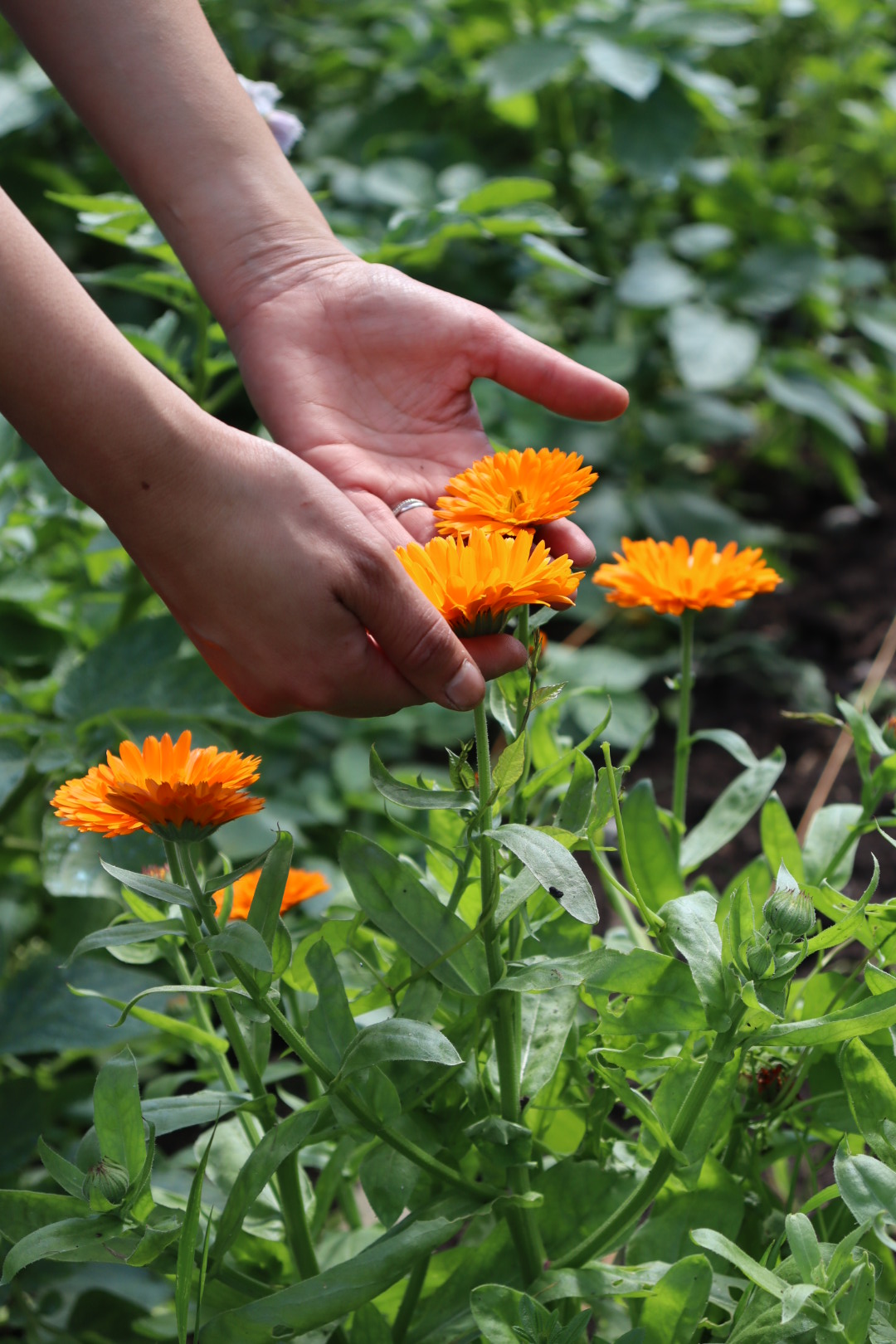
Calendula Petals: Infuse in oil to create a soft yellow colour. The dried petals can also be added to the soap for a natural botanical look and subtle yellow or orange flecks.
Annatto Seeds: Infuse in oil for a bright yellow to orange color.

My current Citrus Uplift soap is made using this beautiful Anatto infusion.
Tips for Using Natural Colorants:
- Always test small batches to see how the color develops in your specific soap recipe.
- Some natural colors can fade over time or change during the soap-making process (saponification), so it’s important to account for this.
- The amount of colorant used will impact the intensity of the color, so adjust accordingly based on your desired outcome.
- One way of doing it is adding the color a light trace, and adjusting from there depending on your desired shade
- Sometimes, the final colour can also vary depending on when you add the colourant. Adding it directly to the lye solution can produce a completely different result compared with adding it after the lye and oils have been mixed together. This is one of the interesting aspects of working with natural colourants you often need to experiment to see how they behave in your particular recipe.
Where can I find soap colorants ?
Some can be found in your local health food shops or supermarket, while others may already be growing in your own garden. There are also plenty of options available for soap-making suppliers and online shops like the Soapery or even Amazon.

Want to learn more about soap making?
Follow along here, where I share more about handmade soap, natural ingredients, gardening and the plants that inspire my work.
If you’d like to try soap making for yourself, I also run Beginner Soap Making Workshops every month or two in my local community, where I take you through the process of making your own cold-process soap in a small, relaxed group.
Leave a Reply